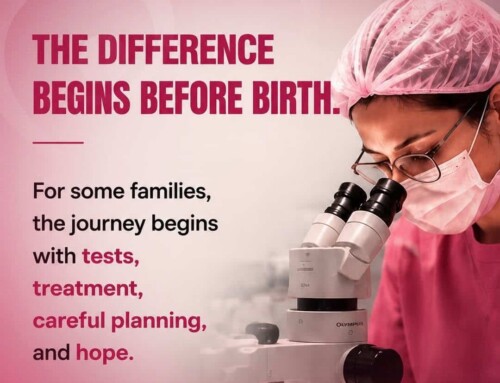



Before starting IVF treatment, your doctor needs to understand your overall fertility health. This is done through a combination of blood tests, scans, and basic assessments.
If you’re planning treatment with Cyprus IVF Centre, these tests help the medical team create a treatment plan tailored to your individual situation.
The Short Answer
Before IVF, most patients are advised to complete:
- Hormone blood tests
- Ultrasound scan (to assess ovaries and uterus)
- Semen analysis (for male partners)
These tests help evaluate ovarian reserve, hormonal balance, and sperm quality — all essential for planning treatment.
Key Fertility Tests and Their Purpose
Hormone Blood Tests
Hormone testing provides insight into how your reproductive system is functioning.
Common hormones assessed include:
- AMH – helps estimate ovarian reserve
- FSH & LH – regulate ovulation and follicle development
- TSH – evaluates thyroid function
- Estradiol (E2) – supports follicle growth
- Prolactin – affects ovulation and cycle regularity
These results help doctors understand how your body may respond to IVF treatment.
Ultrasound Scan (Antral Follicle Count)
An ultrasound scan is used to:
- Assess the ovaries and uterus
- Estimate egg quantity through follicle count
- Identify any structural concerns
This is a routine and important part of fertility evaluation.
Semen Analysis
For male partners, semen analysis evaluates:
- Sperm count
- Motility (movement)
- Morphology (shape)
This helps determine whether additional techniques such as ICSI may be recommended.
Why These Tests Are Important
These assessments allow your doctor to:
- Plan your treatment approach
- Adjust medication protocols if needed
- Identify any underlying issues early
Rather than using a standard approach, IVF treatment is typically adapted based on your results.
Health Screening Before Treatment
Before starting IVF, clinics may also request general health screening tests to ensure it is safe to proceed with treatment.
These can include:
- Infectious disease screening
- Blood tests
- General health assessments
The exact requirements can vary depending on your medical history and treatment plan.
Additional or Optional Tests
Depending on your situation, further tests may be recommended.
These can include:
- Genetic testing (PGT/PGD) – for specific medical or genetic conditions
- Uterine evaluation procedures – to assess the uterine environment
- Tubal assessment tests – if required
Not every patient needs these tests, they are usually recommended based on medical history or previous treatment outcomes.
Do You Need Every Test?
Not necessarily.
The number of tests depends on:
- Your age
- Medical history
- Previous fertility treatments
Some patients may only need basic testing, while others may require additional evaluation.
Can Tests Be Done in Your Home Country?
Yes, in many cases, initial fertility tests can be done locally before traveling.
Your clinic will typically:
- Review your reports
- Advise if anything needs repeating
- Guide you on next steps
This makes the process more convenient for international patients.
Common Questions
How long do fertility tests take?
Most tests can be completed within a few days, depending on availability and reporting time.
Are these tests painful?
Most are simple blood tests or scans and involve minimal discomfort.
Can IVF start without testing?
No, testing is essential to ensure safe and effective treatment planning.
Final Thoughts
Fertility testing is the foundation of IVF treatment. It helps ensure that your care is based on your individual needs rather than a one-size-fits-all approach.
At Cyprus IVF Centre, the focus is on understanding each patient’s situation and guiding them through the process with clarity and support.
If you already have test results or are unsure where to begin, speaking with a fertility specialist can help you take the next step with confidence.
FAQs
What tests do most patients need before IVF?
Most patients are advised to complete hormone blood tests, an ultrasound scan to assess the ovaries and uterus, and a semen analysis for male partners. These evaluate ovarian reserve, hormonal balance and sperm quality.
Which hormones are checked, and why?
- AMH: helps estimate ovarian reserve
- FSH and LH: regulate ovulation and follicle development
- TSH: evaluates thyroid function
- Estradiol (E2): supports follicle growth
- Prolactin: affects ovulation and cycle regularity
Why are these tests important?
They let your doctor plan your treatment approach, adjust medication protocols if needed and identify underlying issues early. IVF treatment is typically adapted to your results rather than following a standard approach.
Do I need every test?
Not necessarily. The number of tests depends on your age, medical history and previous fertility treatments. Some patients need only basic testing, while others need additional evaluation, such as genetic testing (PGT/PGD), uterine evaluation or tubal assessment tests.
Can I do the tests in my home country?
Yes, in many cases initial fertility tests can be done locally before travelling. The clinic will review your reports, advise if anything needs repeating and guide you on next steps.