An unsuccessful IVF cycle can be difficult to understand, particularly when you have followed the treatment plan carefully. However, IVF failure can happen for several different reasons, and a failed cycle does not necessarily mean that future treatment will be unsuccessful.
At Team Miracle Cyprus IVF Centre, the reasons for an unsuccessful cycle can include factors affecting embryo development, implantation, egg and sperm quality, the uterus, genetics and the IVF laboratory environment.
Here are 10 possible reasons why IVF may fail.
1. Poor Embryo Development
One of the main reasons identified by Team Miracle Cyprus IVF Centre is poor embryo quality or development. An embryo may fail to develop normally or may not reach the blastocyst stage.
The Centre explains that chromosomal abnormalities can also prevent an embryo from successfully implanting. This can occur even when fertilisation has taken place successfully.
2. Implantation Failure
Successful fertilisation does not automatically result in pregnancy. The embryo must attach to the uterine lining and continue developing.
Team Miracle Cyprus IVF Centre explains that implantation can fail even when an embryo appears healthy. The timing of the window of implantation may also vary between patients.
3. Uterine Abnormalities
Problems affecting the uterus can make implantation more difficult.
The Centre identifies conditions such as fibroids, polyps and a thin endometrial lining as possible factors that can interfere with implantation. Some of these conditions can be identified through investigation and may be treated before another IVF cycle.
4. Egg Quality
Egg quality can influence embryo development and IVF outcomes. Team Miracle Cyprus IVF Centre explains that egg quality can decline with age and that biological changes can affect the cells and their ability to support embryo development.
This is one reason why age and egg quality are important considerations when assessing an IVF treatment plan.
5. Sperm Quality
IVF involves both eggs and sperm, so male fertility factors can also influence the outcome.
Team Miracle Cyprus IVF Centre identifies sperm count and sperm quality among the physical factors associated with IVF outcomes. Where appropriate, treatments such as ICSI may be used to fertilise the eggs.
6. Chromosomal or Genetic Factors
Genetic factors can affect embryo development and implantation. Team Miracle Cyprus IVF Centre explains that chromosomally abnormal embryos may fail to implant or may result in an early miscarriage.
The Centre also offers Pre-Implantation Genetic Diagnosis (PGD) and other embryo testing options as part of its fertility treatment services. Whether genetic testing is appropriate depends on the individual circumstances and treatment plan.
7. Repeated Implantation Failure
Sometimes an embryo fails to implant repeatedly despite apparently suitable treatment.
Team Miracle Cyprus IVF Centre discusses repeated implantation failures in relation to factors including embryo development and the environment in which implantation takes place. The Centre recommends considering the reasons behind previous unsuccessful cycles rather than simply assuming that the next cycle will follow the same outcome.
8. The IVF Laboratory Environment
The laboratory plays an important role because embryos spend their early developmental stages there.
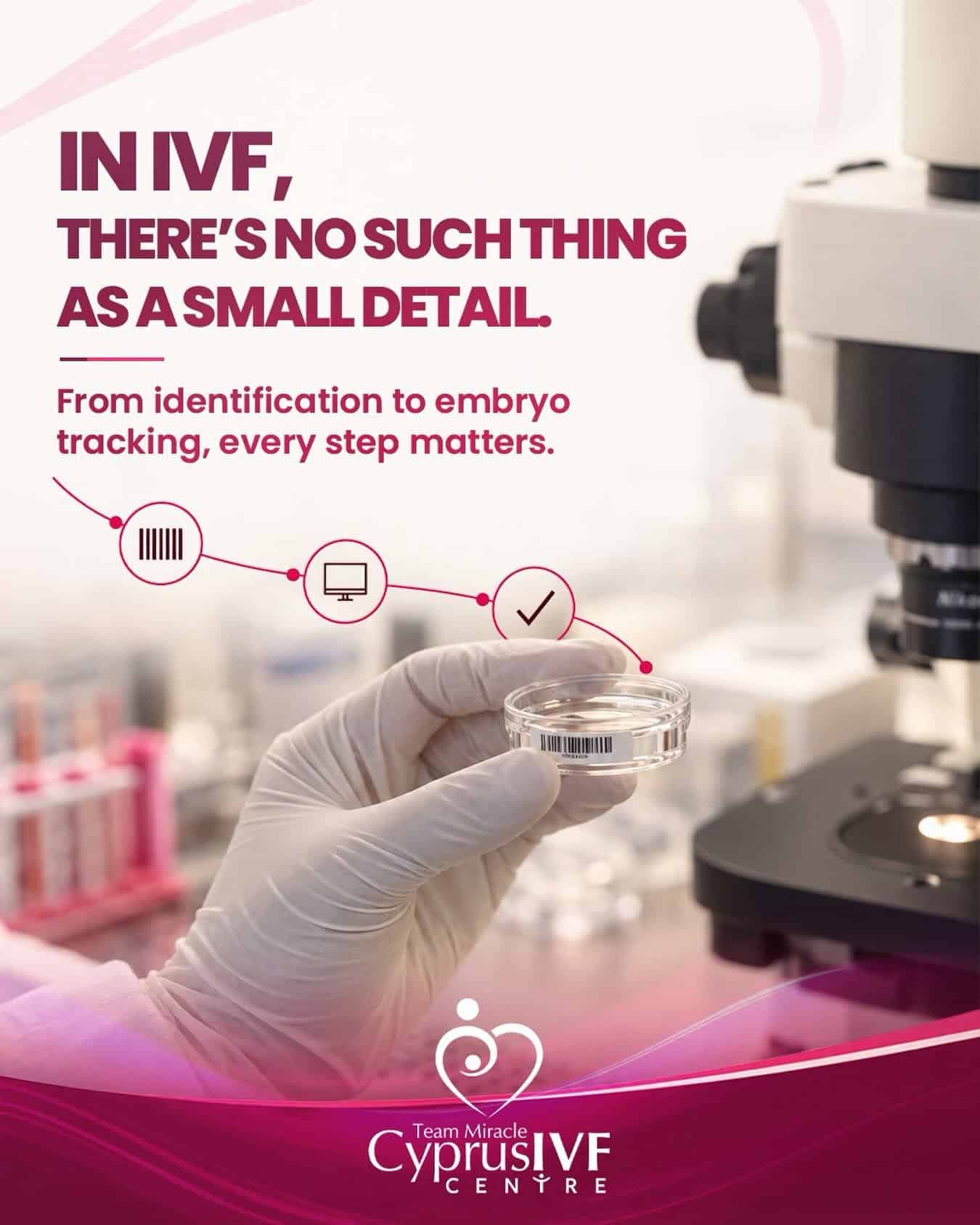
Team Miracle Cyprus IVF Centre highlights factors including air quality, temperature, ventilation, equipment, incubators and laboratory cleanliness. Its laboratory uses HEPA filtration, controlled environmental systems and monitored incubators as part of its laboratory setup.
9. Age-Related Fertility Factors
Age can influence IVF outcomes, particularly because egg quantity and quality can change with age.
Team Miracle Cyprus IVF Centre explains that younger women generally tend to have healthier eggs and that biological processes affecting cells can decline as women become older. However, age is only one part of an individual’s fertility picture.
10. The Underlying Cause of Infertility
The reason for infertility can also influence the outcome of IVF treatment.
Team Miracle Cyprus IVF Centre identifies several fertility situations in which IVF may be considered, including blocked fallopian tubes, severe male infertility, unexplained infertility and previous unsuccessful fertility treatments.
Understanding the underlying fertility circumstances can help the medical team determine the most appropriate treatment approach rather than applying exactly the same protocol to every patient.
Does IVF Failure Mean It Will Fail Again?
No. An unsuccessful IVF cycle does not necessarily mean that future treatment will fail.
Team Miracle Cyprus IVF Centre recommends considering why the previous treatment was unsuccessful before deciding on the next step. Depending on the circumstances, the medical team may consider whether another treatment approach or an additional treatment option is appropriate.
A personalised assessment is important because IVF outcomes can be influenced by several factors rather than one single cause.
What Should You Do After Failed IVF?
After an unsuccessful cycle, the first step is to discuss the outcome with your fertility team. Reviewing the previous cycle can help identify factors that may have affected embryo development, implantation or treatment progression.
Team Miracle Cyprus IVF Centre can discuss your previous treatment and help you understand the possible options for another attempt, including whether additional fertility treatments may be appropriate.
Frequently Asked Questions
What is the most common reason IVF fails?
Team Miracle Cyprus IVF Centre identifies poor embryo quality or development as one of the main reasons IVF can be unsuccessful. Other factors can include implantation problems, uterine abnormalities, egg and sperm quality, genetics and age.
Can IVF fail because an embryo does not implant?
Yes. An embryo may fail to attach to the uterine lining even when it appears healthy. Implantation timing and uterine factors can influence this process.
Can poor egg quality cause IVF failure?
Egg quality can affect embryo development and is one of the factors considered when assessing IVF outcomes. Egg quality can also change with age.
Can sperm quality affect IVF results?
Yes. Sperm count and quality are among the factors that can influence IVF outcomes. ICSI may be used where appropriate to assist fertilisation.
What happens after a failed IVF cycle?
The treatment outcome should be reviewed with your fertility team to understand possible contributing factors and determine the most appropriate next step.
Discuss Your Previous IVF Treatment With Team Miracle Cyprus IVF Centre
An unsuccessful IVF cycle can have several possible explanations, and identifying the contributing factors is an important part of planning what comes next.
Contact Team Miracle Cyprus IVF Centre to discuss your previous IVF treatment and speak with the Team Miracle team about your next steps.