The First IVF In The World: Louise Brown And The Miracle Of In Vitro Fertilization

Introduction
The birth of Louise Brown in 1978 marked a major breakthrough in fertility medicine. She was the world’s first baby born through in vitro fertilisation (IVF). Her birth gave new hope to couples experiencing infertility and helped shape modern fertility treatment.
What Is IVF?
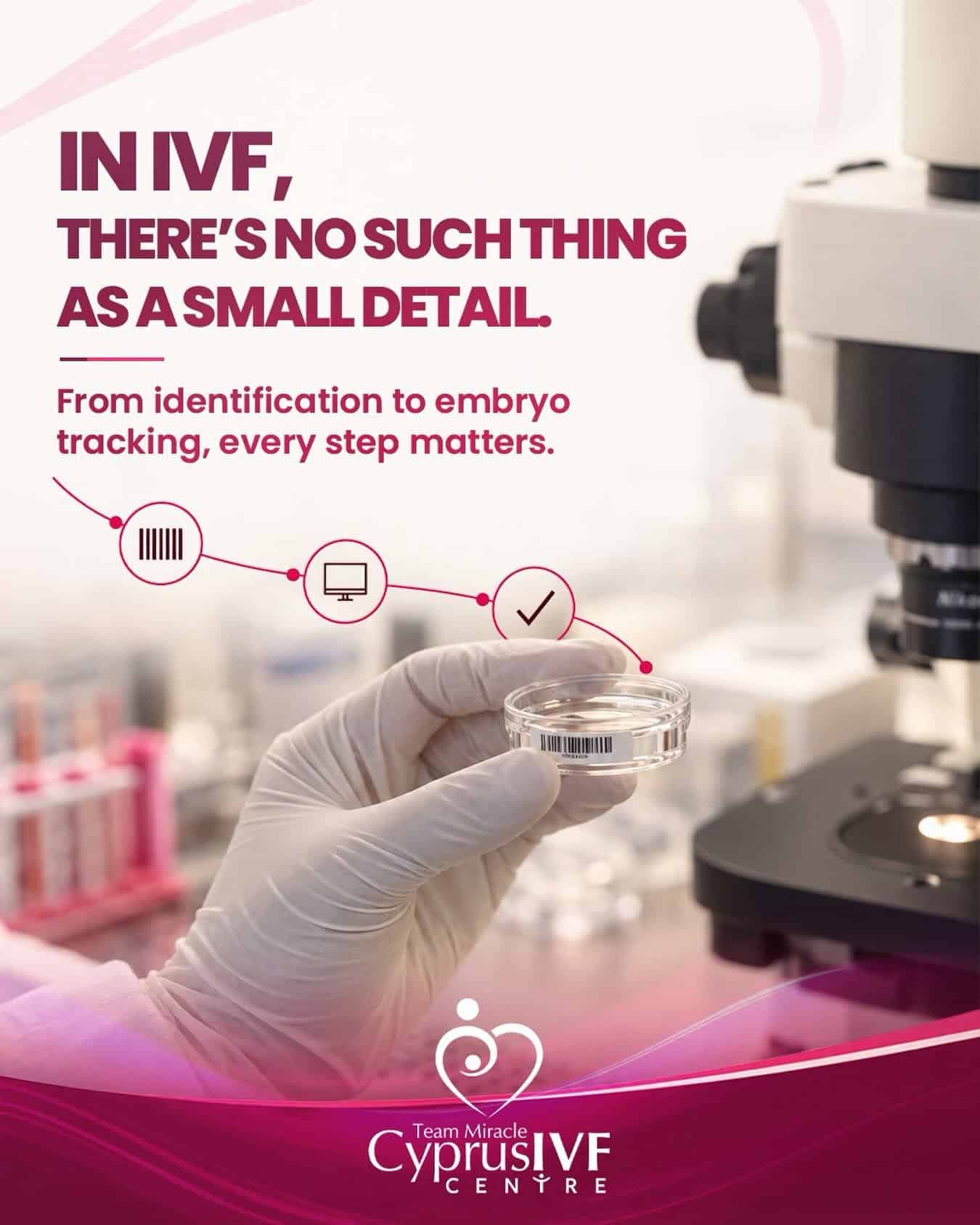
In vitro fertilization (IVF) is a process where an egg is fertilized with sperm outside the body in a laboratory. The resulting embryo is then transferred into the uterus to achieve pregnancy.
This technique is now widely used across the world and has helped millions of families.

The Story of Louise Brown – The First IVF Baby
Louise Brown, often referred to as the first “test tube baby,” was born in England on July 25, 1978.
Her parents had struggled with infertility for nearly nine years before turning to pioneering doctors:
- Dr. Robert Edwards
- Dr. Patrick Steptoe
They developed a revolutionary method that successfully led to Louise’s birth.
This moment proved that IVF could work—and changed reproductive medicine forever.
Louise Brown’s birth demonstrated that fertilisation could take place outside the human body and that an embryo could subsequently be transferred to the uterus.
The Pioneers Behind the First IVF Birth
Louise Brown’s birth was made possible through the dedication of pioneering fertility specialists Sir Robert Edwards and Dr Patrick Steptoe, together with embryologist Jean Purdy, whose contribution was fundamental to the success of early IVF research.
The treatment was developed after years of scientific investigation led by Robert Edwards and Patrick Steptoe, while embryologist Jean Purdy played a vital role in developing laboratory techniques and embryo culture methods.
Their collaborative work transformed fertility medicine and laid the foundation for the IVF treatments available today.
The History of IVF
The history of IVF began decades before the birth of Louise Brown. Scientists and fertility specialists spent many years researching how fertilisation could successfully occur outside the human body before transferring an embryo into the uterus.
A landmark moment came on 25 July 1978, when Louise Joy Brown became the world’s first baby born through successful in vitro fertilisation (IVF). Her birth marked the beginning of a new era in reproductive medicine and demonstrated that IVF could provide hope for couples experiencing infertility.
Just over three years later, on 28 December 1981, Elizabeth Jordan Carr became the first IVF baby born in the United States, demonstrating that this pioneering treatment had expanded beyond the United Kingdom and was beginning to benefit families around the world.
Why the First IVF Was a Historic Breakthrough
Before this success, infertility had very limited treatment options. The birth of Louise Brown demonstrated that science could overcome biological barriers.
This breakthrough:
- Opened doors for fertility treatments worldwide
- Inspired further research and innovation
- Changed how infertility is treated today
Understanding the Cause of Infertility
Louise Brown’s parents sought fertility treatment because her mother, Lesley Brown, had blocked fallopian tubes, preventing natural fertilisation. At the time, there were very few treatment options available for tubal infertility.
The successful IVF procedure demonstrated that fertilisation could occur outside the body before the embryo was transferred into the uterus, providing a solution for many patients affected by blocked fallopian tubes and other fertility conditions.

The Evolution of IVF Since 1978
Since the first IVF baby was born, the technology has improved significantly.
Today, IVF includes advanced techniques such as:
- Intracytoplasmic sperm injection (ICSI)
- Embryo freezing and vitrification
- Preimplantation genetic testing (PGT)
- Time-lapse embryo monitoring
- Personalised ovarian stimulation protocols
- Modern fertility medications
More than 8 million babies have now been born through IVF globally.
IVF Has Continued to Evolve
Since the birth of Louise Brown, IVF has advanced significantly through continuous research and innovation.
Modern fertility treatment now includes:
- Intracytoplasmic Sperm Injection (ICSI)
- Preimplantation Genetic Testing (PGT)
- Embryo freezing and vitrification
- Time-lapse embryo monitoring
- Personalised ovarian stimulation protocols
- Modern fertility drugs designed to improve egg development during an IVF cycle
These developments have improved success rates while allowing treatment plans to be tailored to each patient’s individual circumstances.
Changing Perception of “Test Tube Babies”
Initially, IVF was met with skepticism and even fear. The term “test tube baby” created misunderstandings about the process.
Over time:
- Public awareness improved
- Success stories increased trust
- IVF became widely accepted
Today, IVF is considered a safe and effective fertility treatment.
During IVF, fertilisation takes place in a laboratory. The resulting embryo is then transferred to the uterus.
As IVF became more widely understood and used, the term “test tube baby” gradually became less common in medical terminology.
Real Impact: A Story That Changed Lives
Louise Brown’s birth didn’t just change science, it changed lives.
Many families who once thought parenthood was impossible now have children thanks to IVF. Her story continues to inspire hope across generations.
Recognition for a Medical Breakthrough
The remarkable work of Sir Robert Edwards was recognised internationally when he was awarded the Nobel Prize in Physiology or Medicine in 2010 for the development of in vitro fertilisation.
Today, millions of babies have been born through IVF worldwide, and the pioneering work carried out by Robert Edwards, Patrick Steptoe, and Jean Purdy continues to benefit families across the globe.
Conclusion
The story of the first IVF baby in the world is more than history, it is a symbol of hope, innovation, and possibility.
From a single groundbreaking success to millions of births worldwide, IVF continues to transform lives every day.
To learn more about our treatment methods, feel free to contact us.
FAQs
Who was the first IVF baby?
Louise Brown was the world’s first baby born through successful in vitro fertilisation. She was born in England on 25 July 1978.
What does IVF mean?
IVF stands for in vitro fertilisation. It is a fertility treatment in which an egg and sperm are brought together in a laboratory before the resulting embryo is transferred to the uterus.
Why is Louise Brown famous?
Louise Brown is known as the world’s first IVF baby. Her birth in 1978 marked a major milestone in the development of modern fertility treatment.
When was the first IVF baby born?
The world’s first IVF baby, Louise Brown, was born on 25 July 1978 in England.
How has IVF changed since 1978?
IVF has developed considerably since 1978. Modern treatment includes techniques such as ICSI, embryo freezing, PGT and time-lapse embryo monitoring.